Prepared, Not Paranoid
Shop

Your Cart

🛒

Your cart is empty.

Browse Products
Water Filtration Bottle emergency preparedness kit — Water Filtration category
💧 Water Filtration

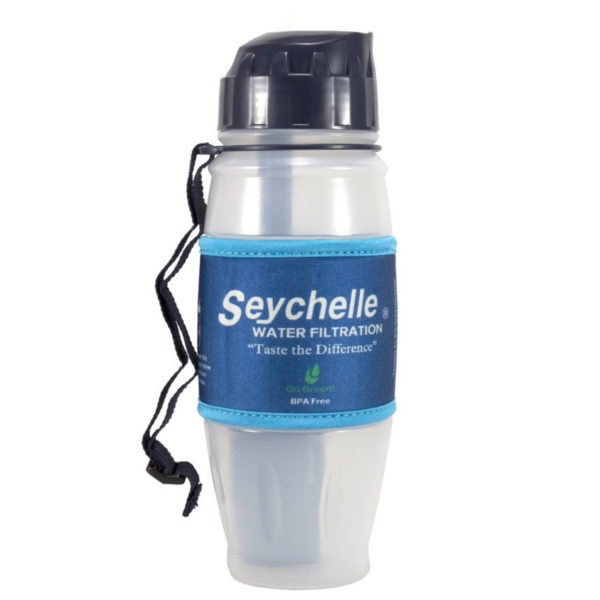
Water Filtration Bottle

$35

Most home-grade water filtration systems handle 100,000–150,000 gallons before the main cartridge needs replacing — that's enough for a family of four for a full year. Pitcher filters offer 40–160 gallons per filter depending on the model. Portable emergency filters typically rate 100–500 gallons per filter element. Does it remove viruses? It depends on the filter type. Standard carbon filters don't reliably remove viruses — look for a filter certified to NSF/ANSI standards 53 or 58, or one with a 0.1–0.2 micron absolute pore size. Many emergency-grade filters with ceramic or hollow-fiber elements do remove viruses. If virus protection is critical (e.g., compromised water source), pair your filter with water purification tablets. How fast does it filter? Flow rate varies by system. Countertop and under-sink units typically produce 0.5–2 gallons per minute. Whole-house systems handle 5–15 gallons per minute across multiple taps. Portable emergency filters pour slower — roughly 1–2 liters per minute — which is normal for a filter trapping particles this small. Is it good for Florida water? Florida's aquifer water can test high for tannins, sediment, and occasionally chlorine byproducts. A whole-house carbon filter performs well for city water; well water may need sediment pre-filters plus carbon. If your area uses chloramines (some FL municipalities do), look for a filter rated for chloramine removal. See our Florida Hurricane Preparedness Guide. Can kids use it? Yes — filtered water is often safer for kids than straight tap, especially in areas with older infrastructure. Children should not handle filter maintenance (changing cartridges, cleaning housings) but can use the filtered output freely. Keep filter components out of reach of young children. What's the lifespan of the filter? Replacement frequency depends on water quality and usage. General rule: replace sediment filters every 3–6 months, carbon filters every 6–12 months, and membranes every 2–5 years. If flow noticeably slows or taste changes, replace sooner. Pair with: Water Purification Tablets for backup pathogen protection, Water Storage Container to store filtered water long-term.

Buy Now — $35

Why ReadyRoots?

  • Expert-curated emergency contents
  • Durable, professional-grade packaging
  • Fast shipping — arrives ready to use
  • Secure checkout via Stripe
  • 100% family tested

Common Questions

How many gallons does this water filter process before replacement?

Most emergency-grade water filters are rated for 100,000 to 500,000 gallons depending on the model. Consumer pitcher filters handle 40–160 gallons per filter cartridge. Check your specific model capacity — replacing on schedule ensures your water stays properly filtered.

Does this water filter remove viruses?

Standard carbon filters do not reliably remove viruses. For virus protection, look for a filter certified to NSF/ANSI 53 or 58 standards, or with a 0.1–0.2 micron absolute pore size. Hollow-fiber and ceramic emergency filters typically remove viruses. If uncertain about your water source, pair your filter with water purification tablets.

How fast does this water filter produce clean water?

Flow rates vary by filter type. Portable emergency filters typically deliver 1–2 liters per minute, while countertop and under-sink units produce 0.5–2 gallons per minute. Slower flow is normal — it means the filter is trapping small particles. Whole-house systems deliver 5–15 gallons per minute across your home.

Is this water filter suitable for Florida water?

Yes, for most Florida water sources. Florida aquifer water may contain tannins, sediment, or chloramine-treated municipal water — a multi-stage filter with sediment pre-filter and activated carbon handles these well. For well water, pair with a sediment filter. Florida hurricane season makes water filtration a smart prep — see our Florida Hurricane Preparedness Guide.

Can children use water from this filter safely?

Yes. Filtered water is often safer for children than unfiltered tap, especially in areas with aging infrastructure. Children can drink filtered water freely — just keep filter components and cleaning supplies out of their reach. Do not let children handle filter maintenance or cartridge replacement.

What is the lifespan of this water filter?

Filter lifespan depends on water quality and usage. As a general guide: sediment filters every 3–6 months, carbon filters every 6–12 months, and membranes every 2–5 years. Replace sooner if you notice reduced flow rate or a change in water taste or odor.

Do I need to filter water after using purification tablets?

No — purification tablets and filters serve different purposes. Tablets kill pathogens (bacteria, viruses, protozoa) chemically. Filters physically remove particles, sediment, and some microbes. Using both together gives you the cleanest water: filter first to remove sediment, then add purification tablets for full pathogen coverage.

Is this filter good for a bug-out bag or emergency kit?

Yes — many portable water filters are designed specifically for emergency preparedness. Look for a lightweight model (under 1 lb) that filters viruses, bacteria, and protozoa. Pair with water purification tablets as a backup, and store treated water in emergency storage bags. A filter plus tablets plus storage equals solid water security for your family.