Prepared, Not Paranoid
Shop

Your Cart

🛒

Your cart is empty.

Browse Products
Hydration Kit (Water Purification) emergency preparedness kit — Water Filtration category
💧 Water Filtration

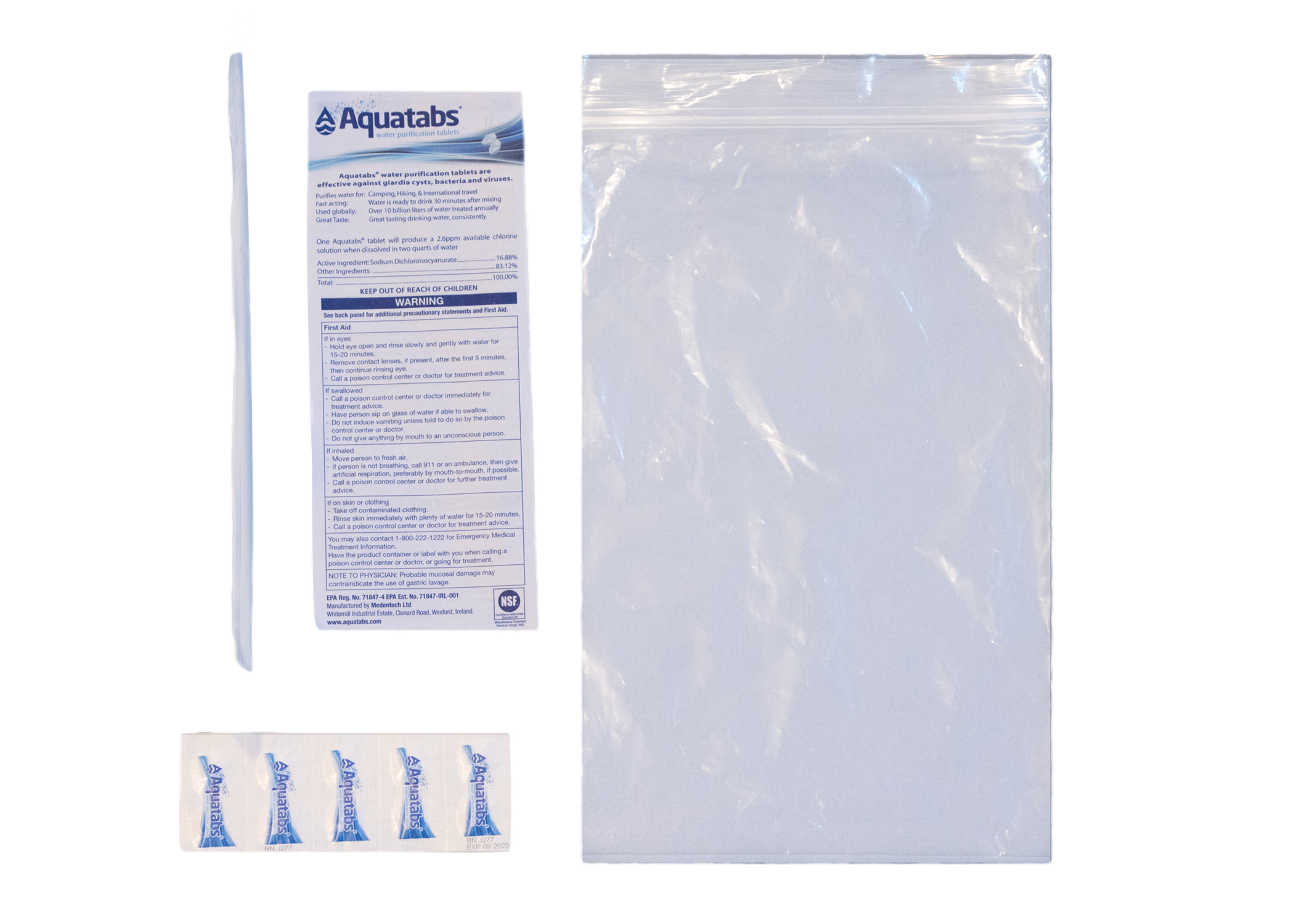
Hydration Kit (Water Purification)

$3

Standard hydration packs hold 1.5–3 liters (roughly 0.4–0.8 gallons). Day-packs commonly feature 1.5–2L reservoirs. Larger multi-day or tactical packs hold 2–3L. Some rugged emergency packs hold up to 4L. Check the reservoir capacity before purchasing. Is it BPA-free? Most modern hydration packs are BPA-free. Quality brands use food-grade TPU (thermoplastic polyurethane) or similar materials that are BPA and PVC free. Always check the product spec — if BPA-free isn't mentioned, ask the manufacturer or choose a different product. Can I freeze it? Yes — most hydration reservoir bladders can be frozen. This keeps your water cold on long hikes and prevents bacterial growth. Freeze the empty reservoir, fill it frozen (water expands as it freezes, so leave space), and it thaws naturally during your hike. Some reservoirs are not designed for freezer use — check the care instructions. Does it include a filter? Most hydration packs do not include a built-in filter. The reservoir holds water; you add it from a filtered source. Some newer models have integrated filtration systems — check the product description. For most packs, pair with a water filter straw or purification tablets when refilling from natural sources. Is it good for bug-out bags? Yes — a hydration pack is one of the most practical additions to a bug-out bag or 72-hour kit. Look for a pack with 2–3L capacity, durable construction, and compatibility with filter attachments. Keep the reservoir filled with fresh water and rotate every few days when in active use. Pair with: Water Filter Straw for natural water source drinking, Water Purification Tablets for backup treatment.

Buy Now — $3

Why ReadyRoots?

  • Expert-curated emergency contents
  • Durable, professional-grade packaging
  • Fast shipping — arrives ready to use
  • Secure checkout via Stripe
  • 100% family tested

Common Questions

How much water does a hydration pack hold?

Standard hydration packs hold 1.5–3 liters (0.4–0.8 gallons). Day packs typically have 1.5–2L reservoirs. Multi-day or tactical packs commonly hold 2–3L. Some rugged emergency models hold up to 4L. For family emergency preparedness, a 2–3L pack per person gives you enough water for a day activity.

Are hydration packs BPA-free?

Most modern hydration packs are BPA-free. Quality packs use food-grade TPU (thermoplastic polyurethane) or similar materials that are BPA and PVC free. Check the product specifications before buying — if BPA-free is not explicitly stated, it may use older materials. Choose a brand that specifies food-grade, BPA-free construction.

Can I freeze my hydration pack reservoir?

Yes — most hydration reservoir bladders can be frozen. Frozen water keeps your drink cold on long hikes and inhibits bacterial growth in the reservoir. Freeze the empty reservoir, then fill it frozen (leave space at the top — water expands about 9% when freezing). Thaw at room temperature before opening. Check care instructions — some reservoir materials are not designed for freezer use.

Does this hydration pack include a built-in water filter?

Most hydration packs do not include a built-in filter — they hold water you provide from a filtered source. Some newer models feature integrated filtration systems. For most hydration packs, pair with a water filter straw or add purification tablets when refilling from natural water sources. This gives you safe drinking water from lakes, streams, or taps in emergency situations.

Is a hydration pack good for a bug-out bag or emergency kit?

Yes — a hydration pack is one of the most practical additions to any bug-out bag or 72-hour emergency kit. Look for 2–3L capacity, durable construction, and compatibility with filter attachments. Keep the reservoir filled with fresh water and rotate every few days in active use. In a hurricane emergency, having 2–3L of water per family member accessible in a pack is a real advantage.

How do I clean and maintain a hydration pack reservoir?

Clean your hydration reservoir after every 2–3 uses. Use warm water and mild soap — avoid bleach or harsh chemicals. For deep cleaning, mix 1 tablespoon of baking soda with warm water, swish through the reservoir, and rinse thoroughly. Hang it upside down to air dry completely. Store with the cap open to prevent mold. Inspect the tube and bite valve regularly — replace if you notice cracks or persistent odors.

Can I put sports drinks or juice in a hydration pack?

It is not recommended. Sugary drinks and acidic juices promote bacterial growth in the reservoir and can damage the inner lining over time. They also attract insects and can stain the reservoir. For best results, use only water in your hydration pack. If you must use an electrolyte drink, clean the reservoir very thoroughly immediately after use.

Will a hydration pack keep water cool in hot weather?

Keeping the reservoir frozen before a hike is the best way to have cold water on the trail. In hot weather, water in a hydration pack will warm up — the insulated tube and reservoir slow this down but do not prevent it. For hot climate emergency preparedness (Florida, Texas, Louisiana), store your hydration pack filled with cold water in a cooler before you need it, or add ice from a generator.